
The Future of Logistics in Canada: Key Challenges and Opportunities in the Next Decade
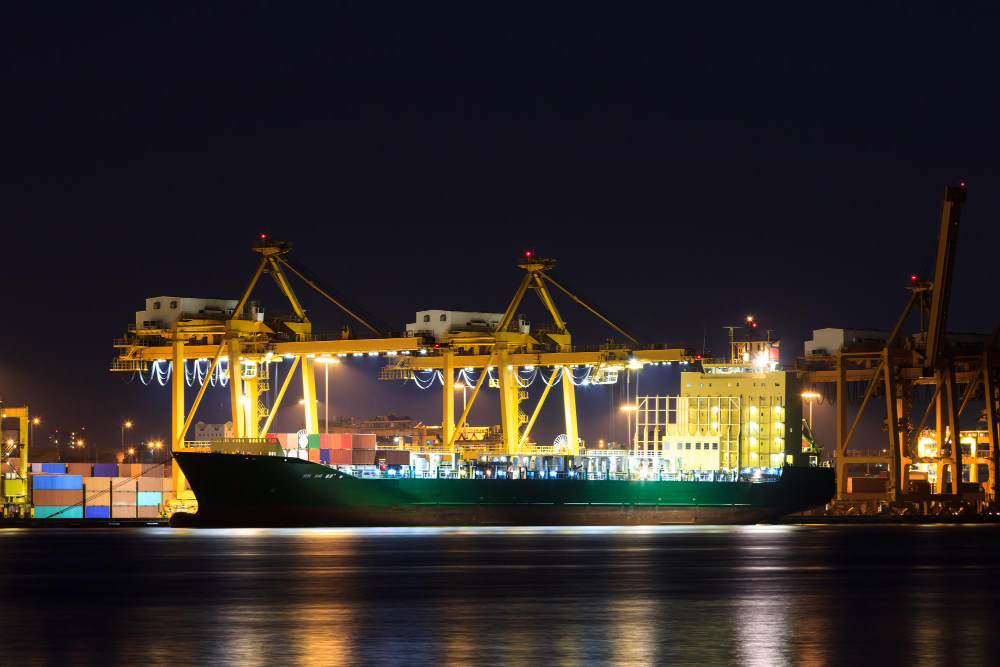

As Canada’s economy continues to grow, the logistics industry plays an increasingly vital role in keeping the wheels of commerce turning. In 2023, logistics contributed nearly $90 billion to the national GDP, and this figure is expected to grow in the coming years as businesses expand their operations both domestically and internationally. However, with this growth come significant challenges and opportunities that will shape the future of logistics in Canada.

Challenges Facing Canadian Logistics
- Labour Shortages
One of the most pressing challenges for the logistics sector is a shortage of skilled labour. According to a report by Truckers Canada, the country is expected to face a 25,000-driver shortage by 2026 due to an ageing workforce and insufficient recruitment. This shortage is not limited to truck drivers; there is also a demand for warehouse staff, logistics planners, and supply chain analysts. To combat this, employers are turning to automation and technology to fill the gaps, but human expertise remains irreplaceable in many areas.
- Infrastructure Constraints
As Canadian cities grow and urbanise, the country’s infrastructure is struggling to keep pace. The Canadian Transportation Agency (CTA) has reported bottlenecks in key areas such as highways, railways, and ports, which impact the efficiency of goods movement. This is particularly evident in major hubs like Toronto, Vancouver, and Montreal, where congestion leads to delays in delivery and higher logistics costs.
- Sustainability and Environmental Regulations
With increasing pressure from both consumers and the government to adopt sustainable practices, the logistics sector must find ways to reduce its environmental footprint. Canada’s push for a net-zero emissions economy by 2050 means that logistics companies need to invest in cleaner technologies, such as electric vehicles and eco-friendly packaging. While this presents a challenge, it also opens the door for innovation and long-term savings.
Opportunities in the Canadian Logistics Sector
- E-commerce Growth
The rise of e-commerce continues to drive demand for logistics services in Canada. In 2023, e-commerce sales grew by 14.6% year-on-year, and this trend shows no sign of slowing down. The logistics sector is evolving to meet the needs of online retailers and consumers who expect faster delivery times and lower shipping costs. Warehousing and distribution are becoming more sophisticated, with companies like Amazon Canada investing heavily in automation and AI-driven solutions.
- Technological Advancements
Canada’s logistics industry is embracing cutting-edge technologies to improve efficiency and reduce costs. Automation, artificial intelligence (AI), and the Internet of Things (IoT) are transforming how goods are stored, tracked, and delivered. For example, DHL Canada is experimenting with AI-powered systems that optimise delivery routes in real time, reducing fuel consumption and delivery times. By 2025, it’s estimated that 50% of Canadian logistics firms will have integrated AI into their operations.
- Regional Growth and Trade Agreements
Canada’s role in international trade is growing, thanks to agreements such as CUSMA (Canada-United States-Mexico Agreement) and the CPTPP (Comprehensive and Progressive Agreement for Trans-Pacific Partnership). These agreements are facilitating cross-border trade and driving demand for logistics services in sectors like manufacturing, agriculture, and retail. Regional hubs such as Halifax and Calgary are becoming critical logistics centres, creating job opportunities and fostering local economic growth.
The Road Ahead
As Canada looks toward the future, the logistics sector will continue to face both challenges and opportunities. While labour shortages and infrastructure constraints pose immediate concerns, the growth of e-commerce and the adoption of new technologies are driving the industry forward. Companies that embrace innovation and sustainable practices will be well-positioned to thrive in this dynamic environment.
In the next decade, Canada’s logistics sector is expected to create thousands of new jobs and remain a key pillar of the country’s economic success. For those entering the field, the future looks bright, provided they are ready to adapt to the evolving demands of this fast-paced industry.
Related Blogs
-
 Apr 18, 2023
How to Stand Out…
Canada’s supply chain industry is one of the country’s fastest-growing sectors, contributing nearly $88 billion to the national GDP and..
-
 May 25, 2022
Why Canada’s Supply Chain…
Canada’s supply chain job market is experiencing unprecedented growth, driven by a combination of factors that are reshaping the industry...
-
 Mar 17, 2021
Top 10 High-Paying Supply…
As the supply chain sector in Canada continues to grow, so do the opportunities for high-paying roles. With the industry..
-
 Oct 14, 2020
How Canada’s Supply Chain…
Canada's supply chain industry is undergoing a rapid transformation, driven by advancements in technology, changing consumer habits, and the global..